[Edaily Reporter KIM JI-WAN ] If a protein frequently detected in cancerous tissue is also common in surrounding healthy cells, anticancer drugs may end up attacking healthy tissue as well. GENINUS Inc.(389030)has unveiled a strategy to identify which cells a target is concentrated in within patient tissue and to narrow down targets for new anticancer drugs by retraining artificial intelligence (AI) with the results of antibody experiments.
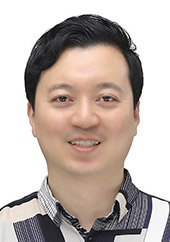
GENINUS Inc. announced on the 11th that CEO Park Woong-yang spoke as a presenter at the “AI Pharma Korea Conference 2026,” hosted by the Korea Pharmaceutical and Bio-Pharma Manufacturers Association at the ST Center in Yeoksam-dong, Seoul, on the 10th. His presentation was titled “Where Are the Next Targets for K-New Drugs: Global Competitiveness Unlocked by Real-Patient Spatio-Omics Data and AI.”
The company utilizes its proprietary AI platform, “IntelliRVL,” for target discovery. IntelliRVL overlays spatial omics data—which shows where genes and proteins are expressed within tissue—onto patients’ pathology images. This allows the platform to distinguish between signals originating from cancer cells and those from adjacent normal tissue.
Park Woong-yang, CEO of GENINUS Inc., explained, “While identifying targets concentrated in cancer cells, we can also assess the risk of toxicity from targets distributed in normal tissue from the early stages of development.”
The company incorporates integrated data—including patients’ actual treatment responses, single-cell data, spatial omics data, and pathology images—into the target selection process. Even for the same type of cancer, it conducts a precise analysis of the location and distribution of targets within the tumor, as well as the risk of expression in normal tissue, to propose priorities for targets and target combinations with high development value for each therapeutic class, such as antibodies, antibody-drug conjugates (ADCs), and T-cell engagers (TCEs).
Once the AI selects candidates, GENINUS Inc. creates antibodies targeting those specific targets and proceeds to cellular experiments. The experimental results are then used as training data for Intelliville. This approach incorporates how accurately the AI’s predictions matched actual cellular behavior into the selection of subsequent targets.
Previously, on the 12th of last month, GENINUS Inc. announced that it had selected some of the new anti-cancer targets identified by Intellibil and was commencing antibody-based validation.
CEO Park stated, “The competitive edge of AI-driven drug discovery lies in connecting AI technology with the laboratory,” adding, “GENINUS Inc. is simultaneously enhancing the reliability of selected targets and the platform’s predictive capabilities through an AI feedback loop, in which we identify targets using patient spatial omics data and feed the results verified in our own laboratories back into the AI.”
He continued, “Based on this integrated capability spanning data, AI, and experimentation, we will strengthen the evidence for new targets and expand joint development and technology transfers with pharmaceutical and biotech companies.”
Taiwan, the global hub of the semiconductor industry, is accelerating efforts to strengthen its competitiveness in the MICE (Meetings, Incentives, Conferences, and Exhibitions) sector through infrastr…
If a protein frequently detected in cancerous tissue is also common in surrounding healthy cells, anticancer drugs may end up attacking healthy tissue as well. GENINUS Inc.(389030)has unveiled a strat…
While the domestic stock market has fallen sharply over the past six months, the stock prices of security firms AHNLAB,INC. and GENIANS, INC. have risen by more than 50%.As of the close of regular tra…