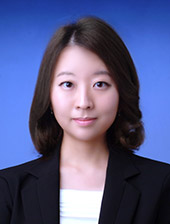
[Photo and Text by Na Eun-kyung, Edaily] “We didn’t knock on the U.S. door. U.S. regenerative medicine research institutions approached us first.”
Yang Gil-an, CEO of #CoastemChemOn, recently spoke with PharmEdaily—Edaily’s premium pharmaceutical and biotech content platform—about his thoughts on receiving final approval from the Ministry of Food and Drug Safety for NeuronaTa-R, a treatment for amyotrophic lateral sclerosis (ALS, also known as Lou Gehrig’s disease), and his plans for the future. Yang Gil-an, CEO of CoaStem ChemOn, answers questions from PharmEdaily during a recent meeting at the company’s headquarters in Seongnam, Gyeonggi Province. (Photo: E-Daily Reporter Na Eun-kyung)“They approached us
first in the U.S.”… Accelerating FDA Response and Expansion of Production Hubs
Coastem ChemOn plans to use this approval as an opportunity to accelerate its entry into the U.S. Food and Drug Administration (FDA) market and expand its global production infrastructure. The company recently dispatched its founder, Chief Technology Officer (CTO) Kim Kyung-sook, to serve as the head of its U.S. subsidiary, where she is building a local network centered on the Wake Forest Institute for Regenerative Medicine (WFIRM), a regenerative medicine cluster in North Carolina.
WFIRM is a regenerative medicine research institute affiliated with Wake Forest School of Medicine and is known as the first in the world to transplant artificially cultured organs into humans. CoaStemKemOn expects WFIRM—recognized as a global leader in stem cells, cell therapy, and tissue engineering—to serve as a key hub for securing clinical and production infrastructure as well as hospital networks within the U.S.
CEO Yang explained, “It wasn’t us who approached WFIRM first; they were the ones who proposed the collaboration.” He added, “CoaStem ChemOn was included as a potential partner during their search for companies with experience in regenerative medicine and cell therapy, and discussions subsequently began in earnest.”
He continued, “We are preparing our strategy for entering the U.S. market within a network that connects local university hospitals, regenerative medicine institutions, and patient advocacy groups,” and added, “In the long term, we are also exploring the possibility of securing production facilities in the U.S. or collaborating with local Contract Development and Manufacturing Organizations (CDMOs).”
“Cell Therapy Ultimately Boils Down to Production”…Osong Plant as a Hail-Mary Move
Coastem ChemOn cites production capacity as its most critical competitive advantage following the approval of Neuronata-AL. This is because, unlike chemically synthesized pharmaceuticals, production facilities themselves are directly linked to business competitiveness in the cell therapy sector.
Coastem ChemOn relocated its existing plant in Yongin, Gyeonggi Province, to Osong, North Chungcheong Province, and established a 600-liter GMP production facility. He said, “In cell therapy, production and quality control (CMC) are key,” adding, “The Osong plant is quite large even by cell therapy standards.”
In particular, CoaStem ChemOn is looking beyond the simple production of NeuronaTa to expand into the cell therapy CDMO business. Having accumulated experience in clinical trials, regulatory approvals, and production, the company believes it can serve as a production partner for other cell therapy developers in the future.
CEO Yang remarked, “There aren’t many companies in Korea that possess comprehensive experience spanning everything from FDA compliance to preclinical, clinical, manufacturing, and regulatory affairs,” adding, “Since we have already gone through the trial and error ourselves, we believe this experience itself will become a valuable asset for our future business.”
A panoramic view of CoaStem ChemOn’s Advanced Biopharmaceutical Center (cGMP) (Photo: CoaStem ChemOn)
“ALS Patients Give Up Due to Lack of Treatment”… Attention on Possibility of Repeated Dosing
CEO Yang cited the possibility of repeated dosing as the most significant feature of Neuronata-R. He explained that since the treatment utilizes autologous stem cells derived from the patient’s own bone marrow, it offers relatively high safety and allows for long-term administration.
He said, “Unlike CAR-T therapy, which is a one-time treatment, this is an approach that involves repeated administration every three months to slow the rate of functional decline,” adding, “We observed a tendency for function to be maintained while receiving the treatment but to decline again upon discontinuation.”
In fact, some patients are reportedly receiving repeated doses over several years. CEO Yang noted, “There have even been cases of overseas patients flying to Korea in private jets to receive treatment,” adding, “For patients with few treatment alternatives, ALS is a disease of such urgency.”
However, the cost burden remains a significant challenge. Neuronata-R is currently priced at approximately 40 million won per treatment in South Korea. CEO Yang remarked, “This is a considerable financial burden for patients,” adding, “Improving production efficiency to reduce costs in the long term is a critical task.”
There are also high expectations for Neuronata-R’s potential in the U.S. market. According to CoaStem ChemOn, the number of ALS patients in the U.S. is estimated to be between 35,000 and 40,000. CoaStem ChemOn believes that even if the initial approach focuses on a limited patient group, a market worth hundreds of billions of won could be established in the long term.
CEO Yang emphasized, “The approval of Neuronata-R goes beyond simply approving a single company’s product; it serves as a case study demonstrating whether Korean cell therapies can actually reach the commercialization stage.” He added, “It is now time to build an industrial structure capable of competing in the global market, not just the domestic market, and CoaStem ChemOn will take the lead.”
(Photo: Blind)
One of the concerns facing the Lee Jae-myung administration is the decline in support among young people. According to Gallup Korea’s presidential job approval ratings, the approval…
The KRX Health Care Index rose 4.53% from the previous session on Oct. 1, signaling a rare tailwind for South Korea’s pharmaceutical and biotech sector. Among the gainers, GIInnovation and G2GBio drew…
Lose fat while preserving muscle. As Roche has discontinued emugrovat—a candidate it was developing to counteract muscle loss during obesity treatment—the role of “HM17321,” a technology licensed by H…