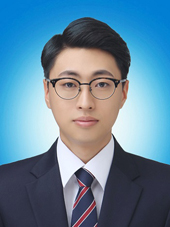
"Predicting Strokes with a Headband"... An AI Diagnostic Device Created by a Lawyer [VC Cradle]
'SHMD' Secures Seed Funding from Angel Investors and KIBO… Series A Round Underway
Early Stroke Diagnosis with CereBand and BrainCheck
Song Min-young, a former legal professional, and a professor of neurology at Severance Hospital co-founded the company
[Edaily Marketin Song Seung-Hyeon Reporter] Strokes strike without warning. By the time symptoms appear, it is often already too late. The problem is that checking the condition of one’s brain blood vessels in advance requires a visit to the hospital for expensive tests. There is a startup that aims to break down this barrier with just a single headband. It is SHMD, an artificial intelligence (AI) brain blood flow diagnostics company.
According to the venture capital (VC) industry on the 29th, SHMD secured seed funding in late 2024 from angel investors, the Korea Credit Guarantee Fund’s Startup Nest, and the Kite Entrepreneurs Foundation. The company is currently in the midst of a Series A funding round. It was also selected as a tenant for the 16th cohort of “IBK Changgong Mapo,” the startup incubation platform of IBK Industrial Bank of Korea, and is receiving incubation support from Synergy IB Investment.
CEO Song Min-young, who leads SHMD, has a unique background. A legal professional by training, she graduated from Seoul Science High School and earned a Master of Laws from the Chungbuk National University Law School and Indiana University School of Law in the U.S. She gained expertise in medical device licensing and approval while serving as Head of Planning and Legal Affairs at DreamTech, Head of the Legal Team at Julic Pharma Korea, and a member of the Regulatory Committee at the Korea Medical Device Industry Association. In addition, she possesses the skills of a developer capable of designing AI algorithms herself. In essence, she has a comprehensive understanding of the entire medical device business process—from clinical trials to domestic and international regulatory approvals—all within a single individual.
Co-founder Heo Jun-nyeong, a professor of neurology at Yonsei University Severance Hospital, oversees clinical and technical operations. After graduating from the Department of Chemical and Biological Engineering at Seoul National University and earning a Ph.D. in medicine from Yonsei University College of Medicine, he was named one of 13 Korean recipients of the “Innovators Under 35” award selected by MIT Technology Review in 2021. He also has a track record of developing a COVID-19 check-up app that was listed by the World Health Organization (WHO). The two are also alumni of Seoul Science High School.
What is noteworthy is that SHMD aims to revolutionize the diagnostic method itself. Its flagship product, “CEREBAND,” is a wearable transcranial Doppler (TCD) ultrasound device in the form of a headband. It measures cerebral blood flow simply by wearing it on the head. Rather than being a one-time test performed at a hospital, it is designed to continuously collect data in everyday life. The smartphone app “BRAINCHECK.AI” uses AI to analyze carotid artery stenosis and stroke signs, displaying the risk level as a numerical value. The goal is to bring this type of screening—which previously required expensive equipment and specialized personnel—into the realm of everyday life.
The company’s technological capabilities have been validated through external assessments. In June of last year, it was selected for the NVIDIA Inception Program and was chosen for all three tracks—R&D, startup commercialization, and overseas marketing—under the Ministry of SMEs and Startups’ TIPS program. In June of this year, the company obtained ISO 13485 certification, the international standard for medical device quality management systems. This standard is used in the European CE certification process and the Canadian medical device licensing process. The company has also completed domestic registration of a patent for AI-based ultrasound thrombus detection technology.
The company is also accelerating its entry into hospital settings. It has signed a memorandum of understanding (MOU) with the Korean Stroke Society and has successively entered into agreements with Incheon Baek Hospital and BS General Hospital—both affiliated with the Seongsu Medical Foundation—as well as Cheongju Medical Center. Headquartered in Cheongju, North Chungcheong Province, the company operates an AI medtech research institute in Gangnam, Seoul.
The company is also ramping up its overseas expansion. In January of this year, it opened an office in Menlo Park, Silicon Valley, and in February, it was selected as the representative Korean company for the U.S. HyperGrowth Global Program, operated by a subsidiary of the startup Genom. In July, it was selected for the Gangnam-gu Overseas Testbed Project and will begin targeting the European market with Germany as its base. This coming November, the company plans to participate in MEDICA in Düsseldorf, Germany, the world’s largest medical device exhibition.
The transcranial Doppler ultrasound market is still relatively small. Market research firm Modo Intelligence forecasts that this market will grow at a compound annual growth rate (CAGR) of 7.25%, expanding from $525 million this year to $745 million by 2031. However, as the population ages and demand for early diagnosis of stroke and dementia grows, a new category—wearable-based continuous monitoring—may emerge. All eyes are on SHMD, which brings together experts in law, clinical practice, and AI, to see what trajectory it will chart in this market.
Fluctuations in credit spreads serve as an indicator of investor sentiment and capital flows in the corporate bond market. “Credit Signal” provides an intuitive analysis of the market’s overall trends…
Dasan Pharmaceutical, a contract development and manufacturing organization (CDMO) specializing in pharmaceuticals that is celebrating its 30th anniversary, has completed all regulatory and managerial…
On Aug. 27, South Korea’s pharmaceutical and life sciences sectors moved in opposite directions, with pharmaceutical stocks weakening while life sciences shares edged higher.The pharmaceutical sector …