[Edaily Reporter Kim Seung-kwon ] “Have you been taking your medicine properly these past two months? You say nothing’s been wrong? Then I’ll give you a two-month supply. Next patient, please.”
This is a scene from an outpatient clinic reenacted by Kang Seong-ji, CEO of Welt. Each consultation lasts just two to three minutes. In the end, the only thing patients take home is their medication. “Most patients are just part of the routine,” said CEO Kang. “We don’t even have the chance to get to know them deeply.” This is precisely the gap that Welt aims to fill with its software.
Welt has established itself in the market with “SleepQ,” a digital therapeutic device for insomnia. Its next goal is AI that learns autonomously from patient data. CEO Kang said, “Ultimately, what we need to create isn’t a product, but intelligence.”
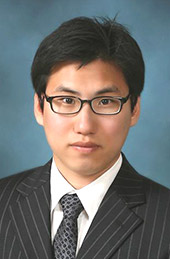
Kang Seong-ji, CEO of Welt, delivering a presentation at Pharm iDaily BioStudy (Photo: ReporterKim Seung-kwon )
◇ “30 Minutes for 50,000 Won”—A Treatment Doctors Couldn’t Provide, Now in an App
SleepQ is a product that transforms cognitive behavioral therapy for insomnia (CBT-I) into a 6-week software program. Cognitive behavioral therapy is the first-line treatment for chronic insomnia recommended by domestic and international guidelines. However, it is rarely used in clinical practice because even if a doctor spends 30 minutes on a consultation, the reimbursement is only around 50,000 won.
CEO Kang stated, “This is a treatment that requires weekly sessions for 6 to 8 weeks, but no doctor does it that way,” adding, “It’s not the doctors’ fault; it’s just the way the system is.” Welt filled this gap with an app.
SleepQ received approval from the Ministry of Food and Drug Safety (MFDS) in 2023 as the first innovative medical device under the Integrated Review system. Welt conducted both in-person and remote clinical trials during the COVID-19 pandemic. CEO Kang explained that this is the first case in Korea where approval was granted based on the results of a remote clinical trial.
In the approval trial, the sleep efficiency of the SleepQ user group improved by 15.14% compared to baseline at the 7-week mark. The time it took to fall asleep also decreased by 29.8 minutes (approximately 45%).
CEO Kang explained that the effectiveness actually improved after the product’s launch. Welt used data to identify when patients were at risk of dropping out and sent them notifications. As compliance increased, so did the therapeutic effect. According to real-world data presented by Welt at the Korean Society of Sleep Research last July, the Insomnia Severity Index (ISI) of the 211 participants who completed the 6-week program decreased by an average of 37.9%.
Handok is handling the sales of SleepQ. According to CEO Kang, the out-of-pocket price is approximately 250,000 won. The number of clinics authorized to prescribe the device has increased to 1,200. The two companies announced in March that they aim to expand the number of prescribing locations to 2,000 by the end of this year.
◇ Platformizing Sleep Expertise… Tracking Medication with ‘DrugOS’
On that day, CEO Kang placed greater emphasis on what comes after SleepQ. SleepQ accumulates patients’ sleep patterns down to the day, hour, and minute. This is data that cannot be captured through outpatient visits held only once every two months.
Welt is training its AI on this data. This structure allows a commercial AI model to gain clinical experience through patient data. The company continuously compares performance by applying new and previous versions to different patient groups.
The goal is to create an AI that functions as a sleep specialist—one capable of analyzing a patient’s daily habits to predict whether they will fall asleep or need sleeping pills. CEO Kang explained that the objective is for the AI to take on management tasks that doctors cannot perform in the exam room.
The AI agent platform “DrugOS” brings this know-how together. It took one to two years for SleepQ to move on to its second product. Welt received approval from the Ministry of Food and Drug Safety (MFDS) last May as a digital therapeutic for binge eating disorder. CEO Kang explains that it now takes only a few days to expand into new conditions.
The criterion for expansion is not medical specialties but “medications.” Following the path of sleep aids leads to patients with insomnia. Following diabetes and blood pressure medications allows the company to reach those patients. “Digital-converged pharmaceuticals”—which combine digital technology with medications—form the foundation of this strategy. Although the Digital Medical Products Act has taken effect, the system for digital-converged pharmaceuticals has not yet been fully implemented.
Last June, Welt signed a Memorandum of Understanding (MOU) with Ildong Pharmaceutical to jointly develop AI-based digital-converged pharmaceuticals. The company will first apply DrugOS to over-the-counter medications, such as Aronamin, and health functional foods. Patients can access the AI agent via a QR code on the product packaging or in the instructions. The company is also discussing collaborations with pharmaceutical companies in Germany and Southeast Asia. SleepQ is currently conducting clinical trials at Charité University Hospital in Germany to secure listing under the local reimbursement system (DiGA).
“Dr. Seom,” an AI agent used on KakaoTalk, provides general consultations much like a family medicine doctor. If a specific condition is identified—such as through a prescription—it switches to “Specialist Mode,” which is equipped with data on that condition. It can also retrieve MyData, such as health insurance information, to facilitate personalized conversations.
CEO Kang said, “If the day ever comes when people describe other digital therapeutics by saying, ‘something like SleepQ,’ it will mean the industry has grown sufficiently.”
LG Energy Solution posted double-digit growth in both revenue and operating profit for the third quarter of this year. However, despite the increase in operating profit, the company posted a net loss …
DREAMINSIGHT Co.,Ltd.(362990)is resuming its share buyback program to stabilize its stock price and enhance shareholder value. Following a 1 billion won purchase in June, the company is adding another…
AprilBio Co.,Ltd. CI (Photo courtesy of AprilBio Co.,Ltd.)
There is speculation that the new drug candidates for immune disorders licensed by AprilBio Co.,Ltd.(397030)will enter a new phase of cli…