[Edaily Reporter Kim Jinsoo ] “Anvalcel demonstrated excellent safety without any fatal side effects in its Phase 1 trial for adult leukemia. Patients receiving the optimal dose showed initial treatment responses and minimal residual disease eradication comparable to those of approved treatments overseas.”
In an interview with E-Daily, Yoon Jae-ho, a professor in the Department of Hematology at Seoul St. Mary’s Hospital, stated, “The confirmation that Anbalcel’s therapeutic efficacy and safety apply equally to leukemia patients is of great clinical significance, as it opens up new treatment opportunities for adult leukemia patients in Korea who previously had no treatment alternatives.”
Curocell Inc.(372320)Anbalcel is a chimeric antigen receptor T-cell (CAR-T) therapy that targets CD19. Following its approval for diffuse large B-cell lymphoma (DLBCL), the drug completed a Phase 1 clinical trial this year to expand its indication to adult acute lymphoblastic leukemia (ALL) and recently entered Phase 2 clinical trials.
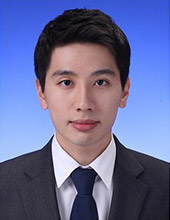
Yoon Jae-ho, Professor of Hematology at Seoul St. Mary’s Hospital. (Photo courtesy of the subject)
Recommended Dose Confirmed in Phase 1… OVIS Expected to Inhibit T-Cell Exhaustion
Professor Yoon highlighted that the key achievement of the Phase 1 trial was confirming safety and initial efficacy while establishing the recommended dose for the Phase 2 trial. In particular, patients who received the optimal dose showed not only an initial treatment response but also the elimination of minimal residual disease (MRD). MRD is a marker that assesses cancer cells remaining in the body beyond visible treatment responses and is crucial for determining remission.
He explained, “In the treatment of adult leukemia, achieving a negative status for minimal residual disease—beyond the disappearance of visible cancer cells—is a critical criterion for long-term survival and a cure. This means that even after confirming an initial response, we must simultaneously monitor the elimination of residual cancer cells and long-term prognosis.”
According to Professor Yoon, Anbalcel achieved a complete remission rate of 67.1% in a Phase 2 clinical trial for lymphoma. However, in adult leukemia, the cancer cell burden in the bone marrow is high and the disease progresses rapidly, which can alter the severity and nature of side effects. This means that even when targeting the same CD19, the dosage, safety, and effectiveness in eliminating MRD must be evaluated separately.
In this regard, Curocell Inc.’s platform technology, OVIS, is expected to play a crucial role. T cells from patients with relapsed or refractory leukemia who have undergone multiple rounds of anticancer therapy may already be functionally compromised; OVIS reduces the signals that inhibit the activity of these immune cells, thereby ensuring that their ability to attack cancer cells is sustained for a longer period.
Professor Yoon stated, “The T cells of patients with relapsed or refractory leukemia who have undergone multiple rounds of anticancer therapy are already in a severely exhausted state. OVIS simultaneously blocks PD-1 and TIGIT—the two ‘brakes’ that interfere with and suppress the activity of immune cells.” He added, “For Anbalcell to differentiate itself from existing adult ALL CAR-T therapies, it must demonstrate not only an early response rate but also the durability of therapeutic effects and safety. This is because adults have a higher relapse rate after initial remission than children, making it difficult to fully evaluate the therapeutic value based solely on the proportion of patients who achieve remission.”
He emphasized, “Given that the complete remission rate for Tecatus, an approved treatment overseas, is around 65%, securing an equivalent or higher response rate is essential. The key to future research will be comprehensively demonstrating how long the therapeutic effect is maintained, the extent to which minimal residual disease is cleared, and the degree to which severe side effects are reduced.”
The primary endpoint of the Phase 2 clinical trial for adult ALL is the overall complete remission rate (OCR). Professor Yoon assessed that achieving an overall complete remission rate of 60–70% or higher, with a duration of remission (DOR) maintained for at least 6 months, would be clinically significant. He explained that this criterion serves as an indicator of the treatment’s potential to establish itself as a new standard-of-care option for patients who show limited response to existing salvage chemotherapy regimens.
Achieving minimal residual disease (MRD) negativity is another key indicator to consider. Professor Yoon predicted that the ability to eliminate MRD would serve as evidence of efficacy in future marketing authorization reviews and would also be a key evaluation factor in discussions regarding actual prescribing practices and health insurance coverage. He emphasized the need to assess overall treatment efficacy by considering early response, MRD negativity, and duration of remission together.
Professor Yoon emphasized, “Patients who have failed initial treatment, those who have relapsed after hematopoietic stem cell transplantation, and those who have not responded to or have relapsed after existing immuno-oncology drugs such as Blincyto and Besponsa will be the most suitable candidates for treatment,” adding, “Since efficacy and side effects may vary depending on prior treatment history, the amount of cancer cells present before administration, and the patient’s overall health status, individualized assessment is necessary.”
In addition, Professor Yoon highlighted that Anbalcell’s competitive edge lies not only in its early treatment response but also in its short treatment preparation period. According to his explanation, the “vein-to-vein time”—the period from cell collection to drug administration—is approximately 16 days for Anbalcell, compared to over 30 days for overseas treatments. Curocell Inc. can shorten this timeframe by about two weeks compared to overseas therapies by utilizing its own production facility in Daejeon and rapid testing methods. In cases of rapidly progressing adult leukemia, where it is critical to minimize the number of patients who miss their treatment window while waiting, the speed of manufacturing and testing is a key competitive advantage in clinical practice.
He stated, “Precise clinical validation is necessary to determine the optimal dosage for adult leukemia patients, as well as the drug’s safety and its effectiveness in eliminating minimal residual disease, which is critical for long-term prognosis.” He added, “Anbalcel’s short vein-to-vein time will be a key competitive advantage, as it helps preserve the ‘golden time’ for patient treatment, thereby directly increasing actual treatment success rates and survival rates.”
SamsungElectronics took first place in 14 categories in the “2026 Korea Quality Satisfaction Index (KS-QEI)” evaluation organized by the Korean Standards Association, marking its 18th consecutive year…
“Anvalcel demonstrated excellent safety without any fatal side effects in its Phase 1 trial for adult leukemia. Patients receiving the optimal dose showed initial treatment responses and minimal resid…
Alteogen Inc.(196170)The antibody-drug conjugate (ADC) anticancer drug “Enhertu,” for which Alteogen Inc. provided subcutaneous (SC) formulation conversion technology, has been approved in Europe as a…